Kurtis

Skip to results list
2 items
Column grid
Column grid

Filter

  • Ruby Raga Collar Kurta for Women

    Ruby Raga Collar Kurta for Women

    Ruby Raga Collar Kurta for Women

    Rs. 2,699.00
  • Nilkamal Short Kurti

    Nilkamal Short Kurti

    Nilkamal Short Kurti

    Rs. 2,199.00

From the House

The story behind the edit

Two kurtis, both cut for a working week rather than an occasion. The Ruby Raga Collar Kurta in maroon ikat, with a collar that lets it pass as a shirt when it has to. The Nilkamal Short Kurti in teal, cut shorter so it sits over trousers rather than under a dupatta.

Continue reading Close

Both are made by hand in Ahmedabad in small runs. The point of a kurti is that it does more than one job, and these are cut to go to a desk on Tuesday and dinner on Friday without a change of register.

Between them they cover the two silhouettes most wardrobes actually need: one with a collar for rooms that expect structure, one without for everything else.

The Length Is the Decision

Almost every complaint about a kurti is really a complaint about its hem. Too long over jeans and the proportion collapses; too short over churidar and it reads unfinished. The traditional kurta solved this by being unambiguously long and worn with matching bottoms. The kurti, which is the shorter and more recent cut, exists precisely so that the top half can be separated from the bottom half and worn with whatever is already in the wardrobe. That is why we cut the Nilkamal shorter than convention: it is the version that works with denim, which is what most of these get worn with. If you want the distinction in full, we wrote about kurta versus kurti and the necklines and cuts worth knowing.

Frequently Asked Questions

What is the difference between a kurta and a kurti?

Length, mostly. A kurta runs longer, often to the calf or below, and reads more traditional. A kurti stops somewhere between the hip and the knee and is the easier of the two to wear with trousers or jeans. In practice the words are used loosely, so go by the measurements rather than the name. Our full kurta versus kurti guide covers the rest.

Which of these suits office wear?

Both, differently. The Ruby Raga has a collar and a structured shoulder, so it holds up in a formal room. The Nilkamal is shorter and softer, better for a workplace that does not require a jacket. We set out three complete weekday looks in styling an Indo-Western kurti for the office.

Can I wear a short kurti with jeans?

Yes, and the Nilkamal is cut for exactly that. A shorter hem stops the proportion going long over a straight-leg jean, which is what makes most kurtis look awkward with denim.

What size should I order?

Check the size chart against a garment you already own rather than going by your usual size. If you fall between two, size up, since HOF fabrics have minimal stretch and drape better with a little room. There is a full kurti size guide if you want the measurements explained.

Which cut suits my body type?

The short answer is that a collar draws the eye up and a straight cut lengthens; the long answer is in our guide to choosing a kurti for your body type.

What fabric are they made from?

It varies by style and is listed under Product Details on each product page. Fabrics are chosen for an Indian summer rather than a photograph, so they lean breathable. We compared the options in the best fabrics for Indian seasons.

Will the ikat pattern be identical to the photograph?

Close, but not exact. Ikat is dyed on the yarn before it is woven, so the pattern edges blur slightly and shift from one length of cloth to the next. That softness is how you tell woven ikat from a print of it.

What jewellery works with these?

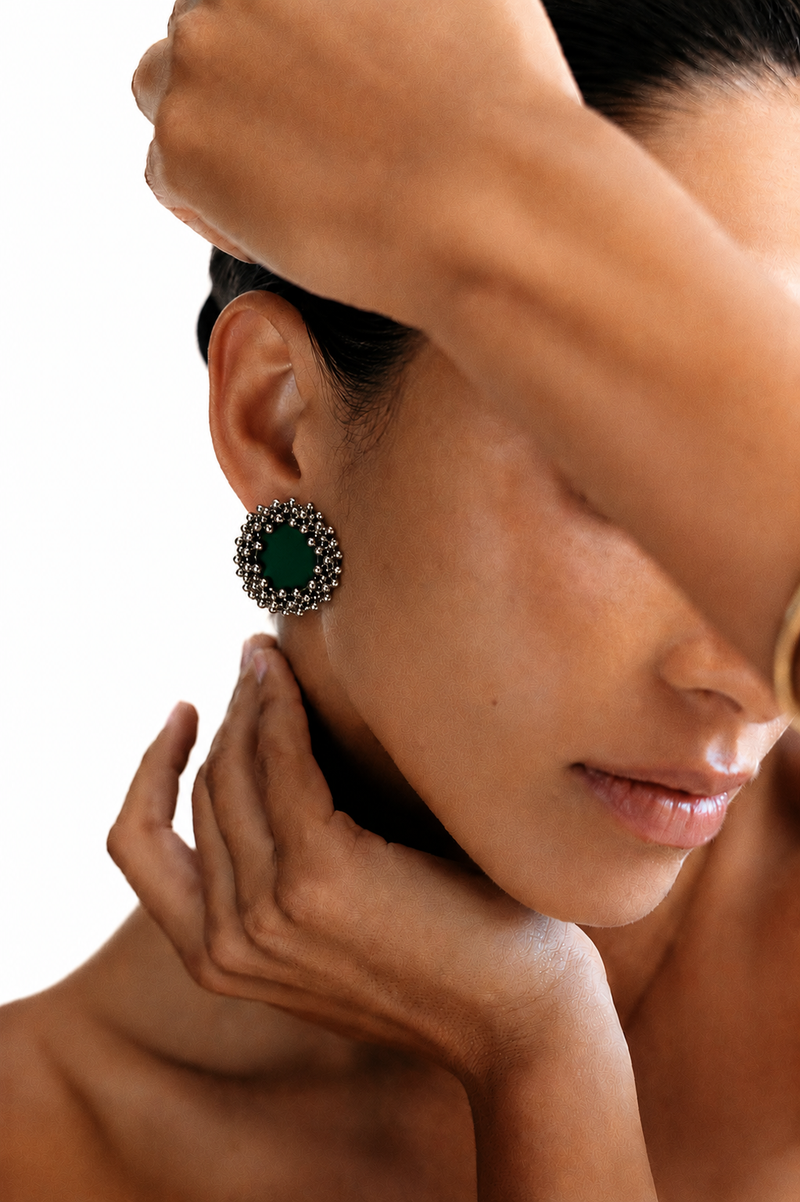
Something that does not compete with the neckline. Our handcrafted earrings are cut light enough to wear all day, and the ghungroo studs in particular were made for exactly this pairing.

How do I wash a handcrafted kurti?

Hand wash cold and separately for the first few washes, or use a gentle machine cycle in a mesh bag with a mild detergent. Dry in shade rather than direct sun, and iron on the reverse at low heat. There is a fuller guide to caring for ethnic wear if you want the detail.