Katha Fabric Diary — hand block-printed cotton journal traditional Indian artisan gift

Block Print

A carved wooden block, placed by hand several hundred times down a length of cloth. The repeat drifts, and that is how you know it was not printed by a machine.

Skip to results list
4 items
Column grid
Column grid

Filter

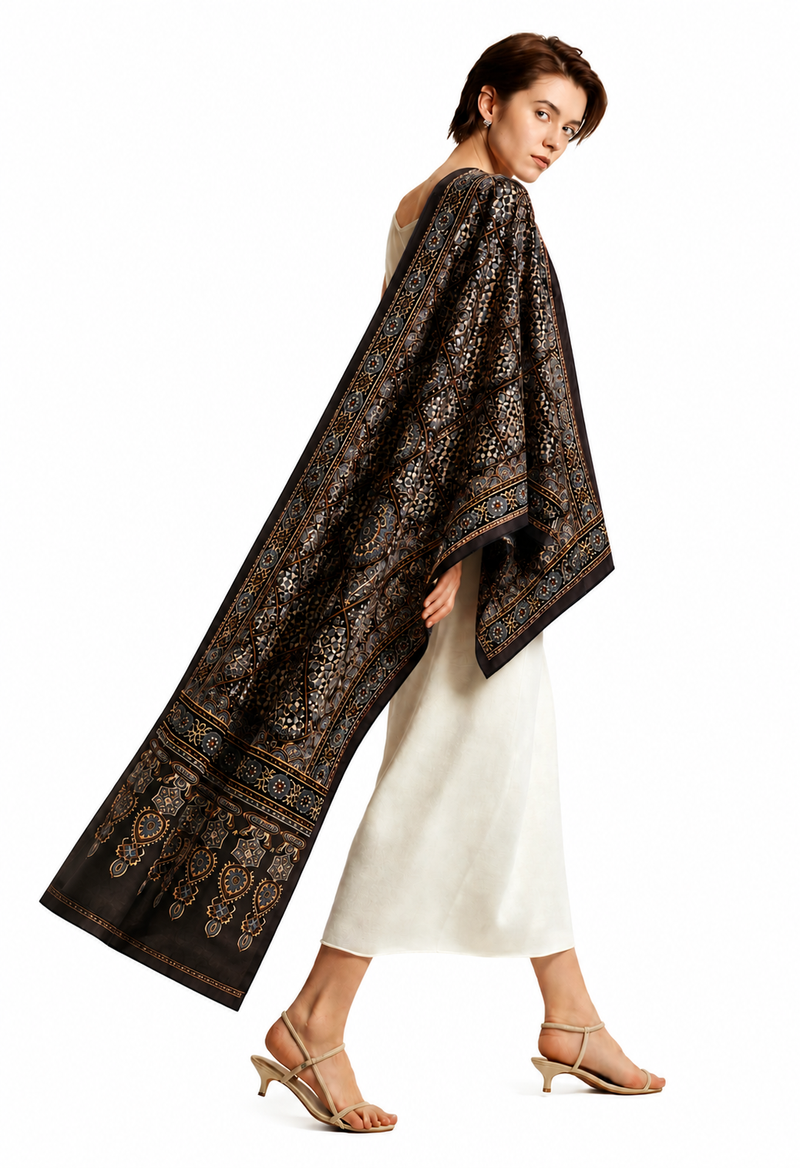
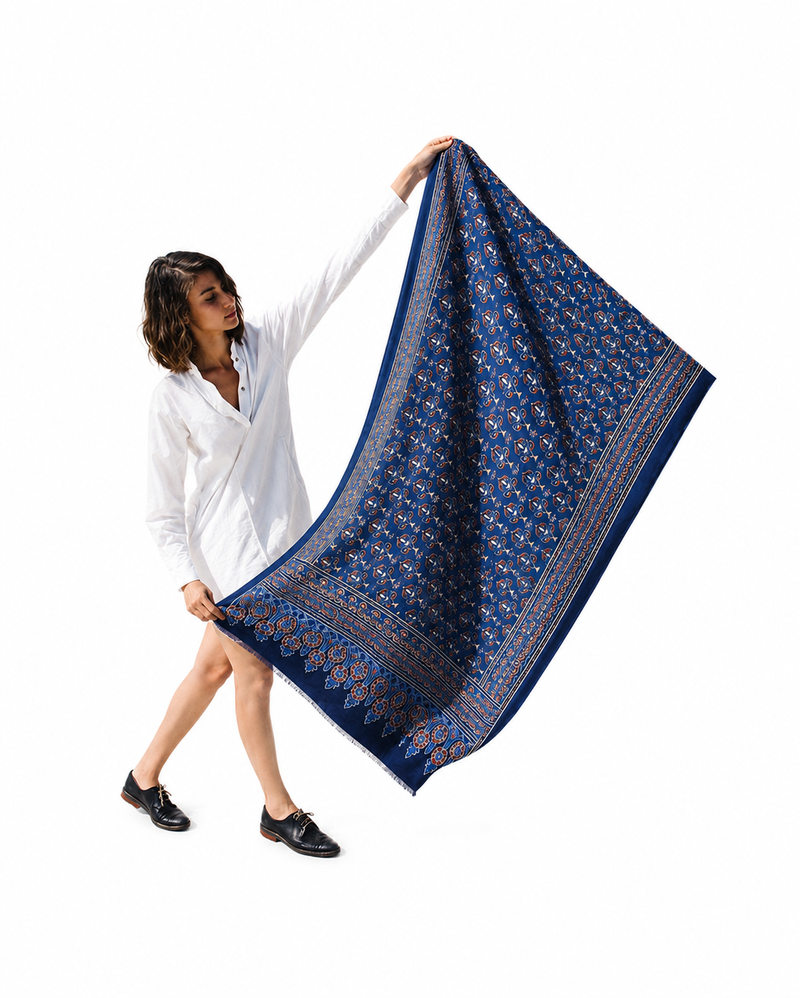
  • Nilufar Modal Silk Stole

    Nilufar Modal Silk Stole

    Nilufar Modal Silk Stole

    Rs. 2,499.00
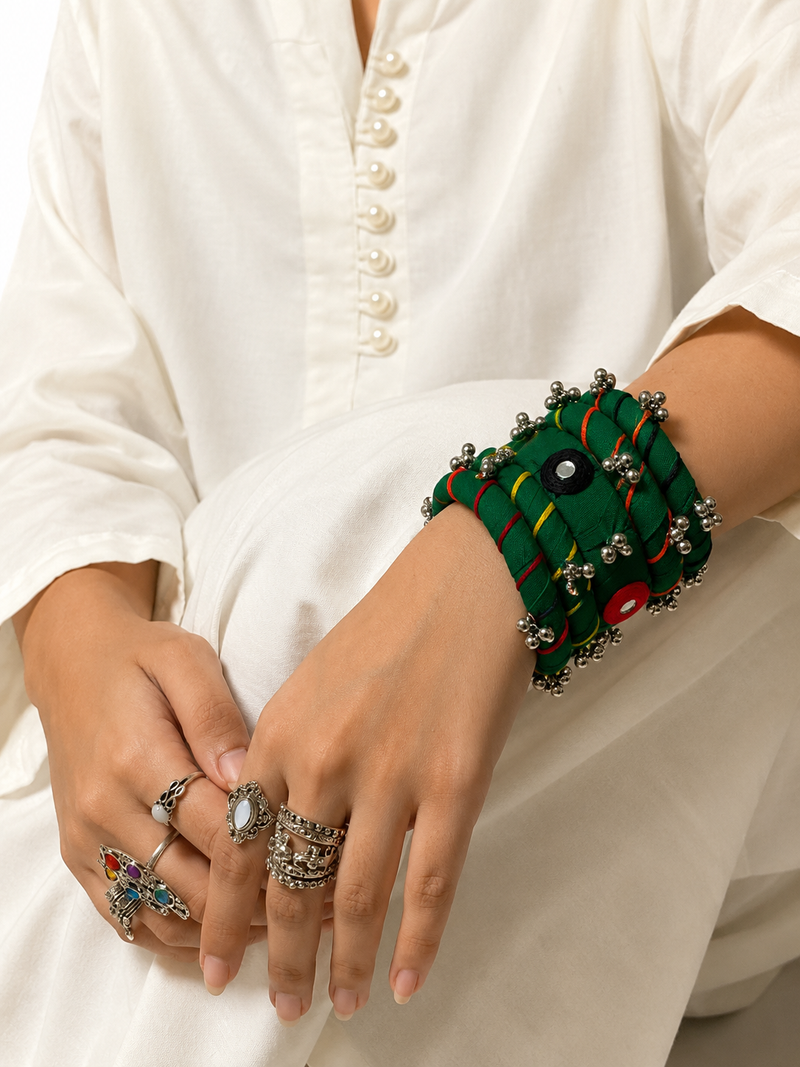
  • Fabric Bar Neckpiece

    Fabric Bar Neckpiece

    Fabric Bar Neckpiece

    Rs. 1,499.00
  • Riwaayat Earrings

    Riwaayat Earrings

    Riwaayat Earrings

    Rs. 999.00
  • Katha Fabric Diary

    Katha Fabric Diary

    Katha Fabric Diary

    Rs. 1,499.00

From the House

The story behind the edit

A carved wooden block, a tray of dye, and someone who has to place it by eye a few hundred times before a length of cloth is finished. Block printing is the oldest way India has of putting pattern onto fabric, and it is still done this way because no machine has managed to do it better.

Continue reading Close

This edit gathers the pieces where the print is the point. The Nilufar Modal Silk Stole carries Ajrakh, the most demanding of the block traditions. The Katha Fabric Diary wraps block-printed cotton over recycled rag paper. The Riwaayat Earrings and the Fabric Bar Neckpiece take the same cloth and cut it small.

All of it is printed by hand, which means the repeat shifts, the colour sits deeper in some places than others, and the piece you receive is not the piece in the photograph. That is the method showing, not a fault in it.

Why the Repeat Never Quite Repeats

A printer works down a length of cloth pressing one block, lifting it, moving it along, and pressing again. There is a registration mark carved into the corner of the block to line up against, but the alignment is judged by eye and hand, not by a machine stop. Over six metres that is several hundred judgements, and a fraction of a millimetre of drift on each one accumulates into a pattern that breathes rather than marches.

Ajrakh compounds this. It is a resist process rather than a single printing, which means the cloth goes through washing, printing, dyeing and drying repeatedly, sometimes more than a dozen passes, with a separate block for each layer of the design. Every pass has to land on the last one. The indigo and madder used are mineral and plant dyes that behave differently with water temperature and weather, so two runs of the same design in different months are not the same colour. We set out the full process in what Ajrakh block printing actually is.

Frequently Asked Questions

What is block printing?

Pattern applied to cloth using a hand-carved wooden block dipped in dye and pressed onto the fabric, one impression at a time. The block itself is cut by a separate craftsman, and a single design can need several blocks, one for each colour.

What is Ajrakh, and how is it different?

Ajrakh is a resist-printed tradition from Kutch and Sindh, worked in indigo and madder across many repeated stages of printing, dyeing and washing. It is the most labour-intensive block tradition in India and the reason an Ajrakh piece costs what it does. There is more in our guide to the craft.

Why does the print vary between pieces?

Because a person places the block. Small shifts in pressure change how much dye transfers, and small shifts in placement change where the repeat sits. Two pieces cut from the same length will not match. Two lengths printed in different months will not match either.

How do I tell block print from screen print?

Look at the edges of the motif and the back of the cloth. A hand block print has slightly soft edges, visible variation between repeats, and dye that has penetrated the weave rather than sitting on top of it. A screen print is uniform, sharp, and usually pale on the reverse.

Are the dyes natural?

Ajrakh uses mineral and plant dyes traditionally. Exact dye information for each piece is listed under Product Details, and we do not claim natural dye where we cannot verify it.

Will the colour run in the first wash?

Some loose surface dye can lift on the first wash, which is normal for hand-dyed cloth and not a defect. Wash separately in cold water the first time, do not soak, and dry in shade rather than direct sun.

How do I care for block-printed fabric?

Cold water, mild detergent, no bleach, no wringing, dry in shade. Direct sunlight is what fades a natural dye fastest. The full routine is in caring for handcrafted pieces.

Does block print fade over time?

It softens rather than fades patchily, which is one of the reasons people keep these pieces for years. A well-washed Ajrakh stole at year five reads better than it did new.

What else is made from this cloth?

The offcuts become jewellery. See the fabric earrings and the Neck Edit, both cut from the same lengths, and the Katha Fabric Diary.