Hand-Painted Ceramics

Skip to results list
5 items
Column grid
Column grid

Filter

From the House

The story behind the edit

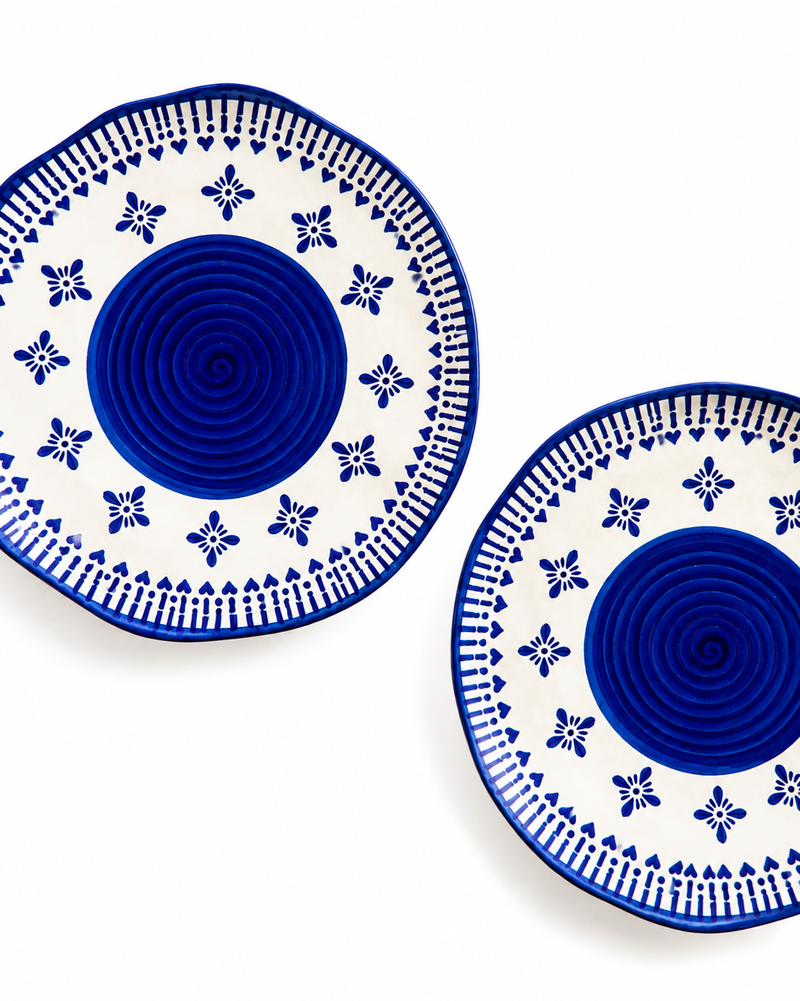
Every piece here is painted by hand in small runs in India, which means the brushwork shifts from one to the next. Colour depth changes, a line runs slightly thicker, a motif sits a millimetre off where it sat on the last one. That is the proof a person made it, not a flaw to be matched out.

Continue reading Close

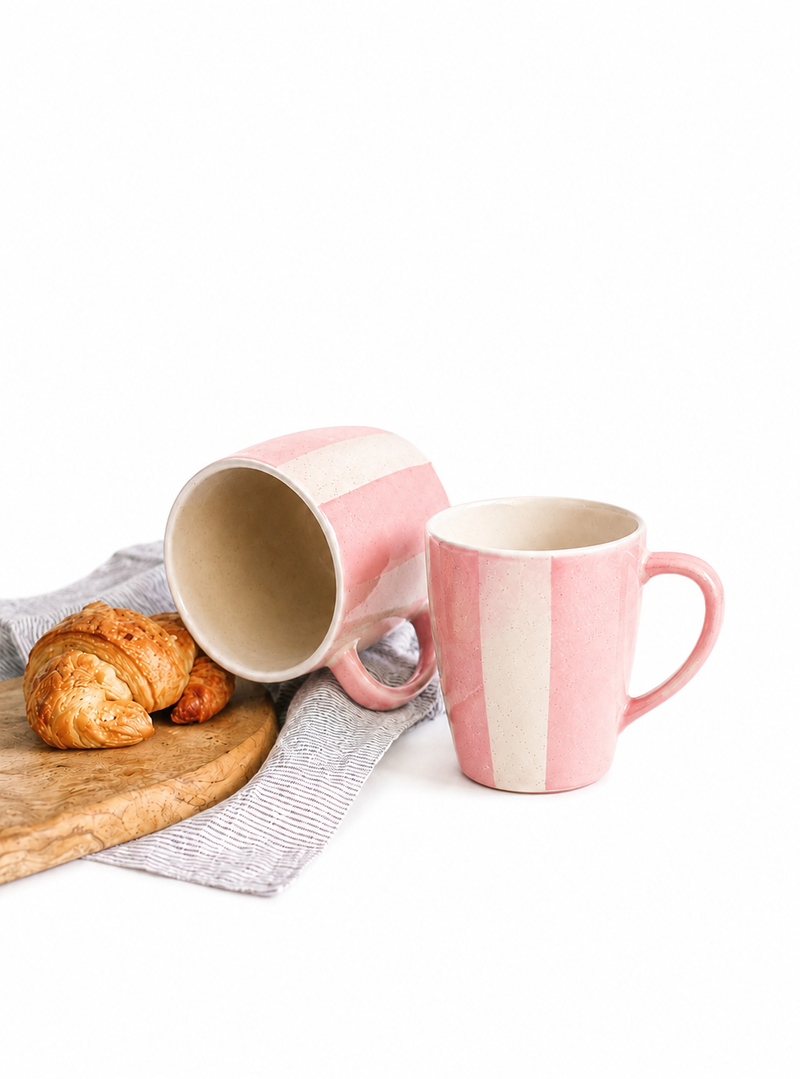
The range covers an Indian table rather than a Western one. The Saanjh Cups for the chai hour, Heritage Blue Quarter Plates for the mithai and the sides a thali needs, Tulsi Green Serving Bowls as katoris, Coastal Bloom Pasta Plates for anything with gravy, and the Morning Haze Mugs for the long coffee.

None of it is a set in the matching sense. These are pieces meant to be combined, which is closer to how an Indian table is actually laid. We wrote the full buying logic in how to choose hand-painted ceramic tableware for an Indian home.

Why Nothing Matches Exactly

A hand-painted piece is drawn freehand onto a curved surface, usually in a single pass, because glaze does not forgive correction. The painter is holding a shape that is turning, working from memory of the motif rather than a stencil, and repeating it several dozen times a day. Under those conditions consistency of feel is achievable and consistency of millimetre is not. Then the glaze is fired, and firing moves colour: it pools where it is thicker, thins over an edge, and shifts shade with position in the kiln. Two cups from the same run come out siblings rather than twins. Factory tableware avoids all of this by transferring a printed decal, which is why it matches and why it looks like nothing.

Frequently Asked Questions

Are these pieces dishwasher and microwave safe?

It varies by piece, so check Product Details on each product page. For hand-painted ceramic generally, warm water, a mild detergent and a soft sponge are always the safest route.

Why does the painting vary between pieces in a set?

Because each is painted by hand rather than transfer-printed. Within a set of six you will see the same motif drawn six slightly different times. Machine-identical pieces are the ones that were not painted by a person.

Is this the same as Jaipur blue pottery?

No, though they are often confused. Blue pottery contains no clay at all, which is what makes it unusual. We explained the difference and how to care for it in Jaipur blue pottery: the craft with no clay.

Will the glaze chip?

Ceramic chips when it knocks against hard surfaces or against other pieces. Stack gently with a soft cloth between painted items, and wash by hand rather than letting cups jostle in a machine. Most chipping happens in the sink, not at the table. Fuller advice is in caring for handcrafted home pieces.

What is a reactive glaze?

A glaze that moves and pools during firing rather than sitting flat, so colour gathers at the rim and thins across the body. The Tulsi Green bowls use one, which is why no two are the same shade.

How do I lay these on an Indian table?

Start with the quarter plates and katoris, since those do the real work of a thali. We set out a five-layer approach in how to style an Indian dining table, and a smaller version for chai in how to set a chai table.

Can I mix pieces from different sets?

That is what they are for. The palette runs indigo, sage and blush across the range deliberately, so a blue plate under a green katori reads intentional rather than accidental.

Do these make a good gift?

The Saanjh set of six is one of our most-given pieces, because chai is how most Indian homes welcome people. See the housewarming edit for the rest.

Do you ship ceramics across India?

Yes, pan-India from Ahmedabad, packed for transit. Runs are small, so stock is limited.